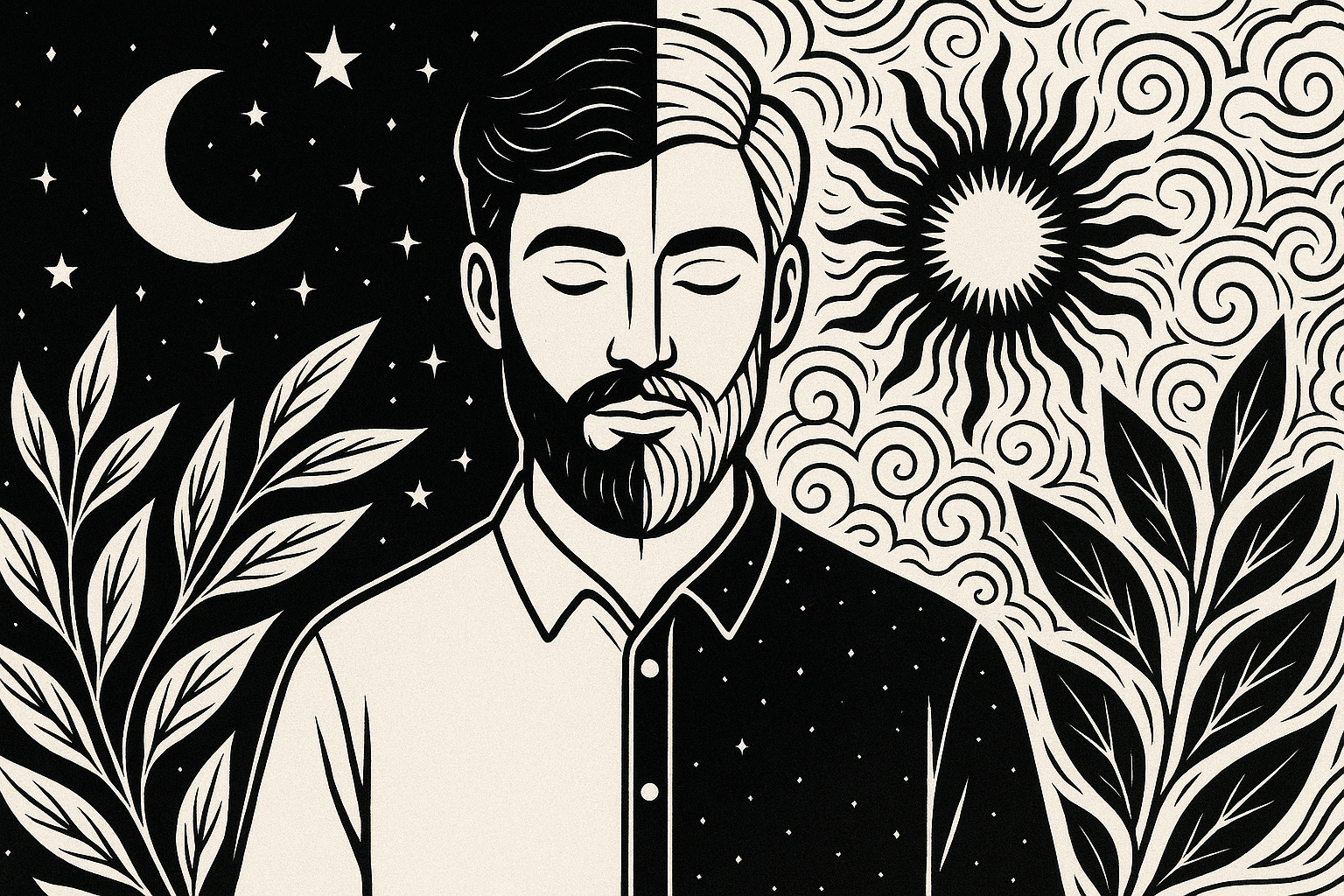
Why Readers Love Morally Gray Characters is a question every modern author should understand. These characters are no longer a niche fascination. They dominate bestselling lists, BookTok discussions, and prestige television because they tap into something deeply human. When authors understand why readers love morally gray characters and how to build them with intention, their stories gain emotional depth, realism, and powerful reader engagement.
In this guide, we explore the psychology, storytelling science, and cultural trends behind morally ambiguous characters. More importantly, we translate those insights into practical techniques that help authors create compelling gray characters that feel authentic rather than forced.
What Authors Need to Know About Morally Gray Characters
Before diving into craft, it is important to clarify what morally gray actually means. Morally gray characters are not traditional heroes. They are not classic villains either. Instead, they live between those extremes. They make questionable decisions, follow personal codes instead of societal norms, and often wrestle with internal conflicts that shape their choices.
This flexible moral space makes them powerful narrative engines. Unlike perfect heroes, gray characters surprise readers. Unlike flat villains, they evoke empathy. And unlike purely good protagonists, they feel human.
Why Readers Love Morally Gray Characters: The Real Appeal
1. Readers Crave Realism and Imperfection
Readers today want characters who feel real. Studies on character perception show that audiences respond strongly to flawed individuals because imperfection signals authenticity. As one analysis notes, antiheroes “humanize imperfection by showcasing that even those with significant flaws can be compelling and redeemable.”
Life is full of contradictions, and readers expect stories to reflect that complexity. When you create characters who are conflicted, inconsistent, and morally uncertain, you mirror the world your audience recognizes.
Morally gray characters also pair beautifully with immersive mood and setting. In our earlier WriteStats article How to Create Atmosphere in Writing, we showed that atmospheric storytelling intensifies emotional engagement. When you combine flawed characters with evocative settings, the realism becomes even richer.
2. Psychological Curiosity Drives Attachment
Readers are not just entertained by gray characters. They are psychologically fascinated by them. Research shows that individuals are often drawn to morally ambiguous narratives when exploring emotional tension or unresolved personal conflicts.
Even more interesting, studies demonstrate that readers can root for characters whose actions they would condemn in real life, because fiction provides a safe space to examine darker impulses without consequences. Fiction essentially invites readers to explore their own shadow self from a safe emotional distance.
This psychological effect explains why readers love morally gray characters even when they disagree with their actions. They offer emotional exploration that is both engaging and cathartic.

3. Emotional Complexity Keeps Readers Turning Pages
Morally gray characters create tension, unpredictability, and layered emotional journeys. Academic studies confirm that audience enjoyment does not depend on moral approval but on moral engagement. Readers want to understand why a character makes a troubling choice, not simply judge them for it.
This dynamic leads to powerful narrative momentum. When a character’s morality is unpredictable, readers cannot predict the story either, which increases attention and emotional investment.
Gray characters also align with broader reader psychology trends. In our WriteStats blog Why Readers Turn to Comfort Fiction, we highlighted how readers seek emotional experiences that feel authentic rather than simplistic. Moral ambiguity delivers exactly that.
Why Readers Love Morally Gray Characters and How Authors Can Use Them in Their Craft
Human Flaws Build Stronger Emotional Bonds
Readers connect with characters who mirror their contradictions. When a protagonist feels too perfect, the connection weakens. When they feel conflicted, readers lean in. Parasocial connection research shows that audiences empathize more strongly with characters who exhibit familiar flaws or relatable vulnerabilities.
When you write morally gray characters, you create mirrors. Readers see their fears, regrets, desires, and insecurities reflected back at them, which deepens immersion.
Moral Ambiguity Encourages Reflection
Gray characters push readers to question motivations, consequences, and moral frameworks. They stimulate introspection. In fact, research on narrative identity suggests that stories with ethical conflict trigger deeper thought and emotional processing than stories with simple moral binaries.
This makes morally gray stories memorable. They linger. They provoke discussion. They spark re reads and long term fandom.
The Cultural Rise of Morally Gray Characters and What It Means for Authors
Recent decades have seen a rise in morally ambiguous protagonists across books, television, and film. Scholars attribute this to cultural complexity and shifting social expectations. People no longer look for perfect heroes. They look for truthful ones.
This trend also matches the findings in our WriteStats post on Seasonal Reading and the Evolution of Dark Academia. Readers are increasingly drawn to depth, nuance, and emotional atmosphere. Morally gray characters fit perfectly into that landscape.
For authors, this is an opportunity. The evolution of reader taste means that gray characters are not only accepted but expected in many genres.
Common Archetypes Authors Can Use When Building Morally Gray Characters
Why Readers Love Morally Gray Characters is closely tied to familiar tropes that blend vulnerability with danger. Some of the most effective patterns include:
- The antihero or tragic hero who struggles internally
- The lovable rogue who bends rules but wins hearts
- The redeemed villain who forces readers to question their judgments
- The sympathetic antagonist who behaves badly for understandable reasons
These archetypes remain powerful because they create tension, emotional conflict, and relatability.
When the Appeal Gets Complicated: What Authors Should Consider
Although morally ambiguous characters are popular, authors must use them carefully. Studies show that repeated exposure to morally ambiguous behavior can influence reader empathy and moral comfort. In addition, some readers may romanticize harmful character traits if the narrative does not provide context or consequences.
Therefore, authors should balance emotional engagement with ethical clarity, ensuring that the story guides interpretation rather than glamorizing harmful actions.
What the Popularity of Gray Characters Reveals About Modern Readers
Why Readers Love Morally Gray Characters is also a reflection of broader cultural and emotional trends:
- People crave authenticity rather than perfection
- Readers want stories that acknowledge moral complexity
- Audiences value growth, reflection, and inner conflict
- Modern storytelling embraces nuance rather than absolutes
Authors who understand these shifts can write stories that resonate deeper and last longer.
How Authors Can Create Morally Gray Characters Effectively
Here are practical strategies:
- Let flaws drive plot decisions instead of adding flaws as decoration
- Give the character a personal moral code even if it conflicts with society
- Build atmosphere that enhances moral tension drawing from the techniques in our blog on creating setting and mood
- Use contradictions intentionally to reflect internal conflict
- Provide emotional stakes that justify questionable actions
When authors approach gray morality with craft and purpose, the result is a character readers never forget.
Readers Love Gray Because Life Is Not Black and White
Morally gray characters endure because they reflect truth. They show that people can be brave and broken, selfish and kind, destructive and redeemable. They reveal the contradictions of being human, and that is why readers love morally gray characters again and again.
For authors, this trend offers a creative advantage. By embracing moral ambiguity in your storytelling, you give readers emotional realism, psychological depth, and unforgettable narrative journeys.
In a world full of complexities, gray characters help readers feel seen. And when readers feel seen, they stay.