The Classic Literature Revival is reshaping how readers discover and appreciate stories, and more importantly, it is creating new opportunities for authors who understand why these timeless works are back in the spotlight. While many readers feel overwhelmed by tall to be read piles, the rising interest in classics shows a powerful shift toward depth, meaning, and enduring themes. For authors, this trend is not about nostalgia but about understanding what makes certain stories last for generations and how to apply those insights to your own craft.
The modern Classic Literature Revival invites writers to learn from the books that shaped storytelling itself and to examine why these works still resonate across cultures and centuries. When authors study classics as living works rather than dusty artifacts, they unlock tools for stronger writing, richer themes, and more universal appeal.
What Authors Should Know About the Classic Literature Revival
Classic Literature Revival is more than readers rediscovering old books. It is a cultural movement in which classic stories are entering new conversations through social media, seasonal reading habits, academic communities, and genre evolution. This means authors have an opportunity to look at these works with fresh eyes and understand the structural, emotional, and thematic qualities that allow a story to survive across centuries.
Authors can think of this revival the same way they think of revisiting an old café. You notice new flavors, new moods, and new meanings every time. The best classics feel familiar and new at the same time, and that duality is something modern writers can strive to create.
The works at the center of the Classic Literature Revival continue to matter because their questions and emotional conflicts never expire. Whether a reader is following Anna Karenina’s struggle between desire and morality or rediscovering the homebound journey of The Odyssey, the themes remain as urgent today as they were when first written.
Why the Classic Literature Revival Matters for Authors
Below is what the Classic Literature Revival reveals about storytelling and what authors can do with that information.
Classics sharpen writing instincts
Because classics demand attention and emotional presence, they teach authors how to read and write more thoughtfully. Many offer layered themes, slow building tension, and beautifully crafted prose. These elements help authors develop stronger habits, much like the insights from our article What Makes a Story Universally Marketable which explains how timeless themes attract wide audiences.
Classics enrich modern writing
Many beloved contemporary genres are built on the foundations of classic literature. For instance:
- Enemies to lovers dynamics echo the rhythm of Austen
- Dystopian themes trace back to Orwell and Huxley
- Epic quests connect directly to works like The Odyssey
When authors recognize these roots, they can use them intentionally to strengthen their stories.
Classics show what universal storytelling looks like
Because classics have connected readers across centuries, they reveal the emotional structures that transcend time. They demonstrate how deeply readers respond to universal fears, desires, and moral dilemmas. This is strongly connected to the principles in our blog Seasonal Reading and the Evolution of Dark Academia, which explores longevity within genre and aesthetic movements.
Classics give historical depth to modern stories
Authors who study Dickens, Achebe, or Virginia Woolf often discover insights into culture, identity, and power that enrich their own narratives. History told through fiction has an emotional heartbeat that purely factual accounts cannot replicate. Understanding historical and cultural context offers powerful tools for authors who want to deepen their worldbuilding.
Classics reveal why structure and pacing matter
Even the slowest classics eventually hook readers with tension, interior conflict, or moral stakes. Crime and Punishment is a perfect example, as it pulls readers so deeply into psychological unraveling that it becomes impossible to stop reading. Authors can study these patterns and apply them in modern contexts.
How Authors Can Use the Classic Literature Revival in Their Writing Practice
Authors often hesitate to add more to their reading list, especially when working on new manuscripts. Yet there are simple and enjoyable ways to fold the Classic Literature Revival into your creative routine.

Pair classics with seasonal writing themes
Readers naturally gravitate toward certain moods each season. Authors can do the same. This aligns with our seasonal reading research from WriteStats.
- Autumn invites atmospheric works like Frankenstein or Jane Eyre
- Summer works well with adventurous classics like The Odyssey or Treasure Island
Studying classics seasonally helps authors match tone, theme, and descriptive style to the emotional mood of the year.
Start with shorter classics to study technique
Authors do not need to begin with War and Peace. Short stories by Poe, Chekhov, or Chopin offer tightly crafted lessons in tension, symbolism, and character development. These stories are also excellent models for pacing and emotional escalation.
Use classics to improve genre writing
Authors who write romance can revisit Pride and Prejudice for dialogue rhythm, tension building, and wit.
Mystery authors can learn from Victorian suspense such as The Woman in White.
Fantasy authors can examine ancient epics to understand narrative scale and mythic structure.
Classic influences make modern stories richer because they give narrative roots a deeper foundation.
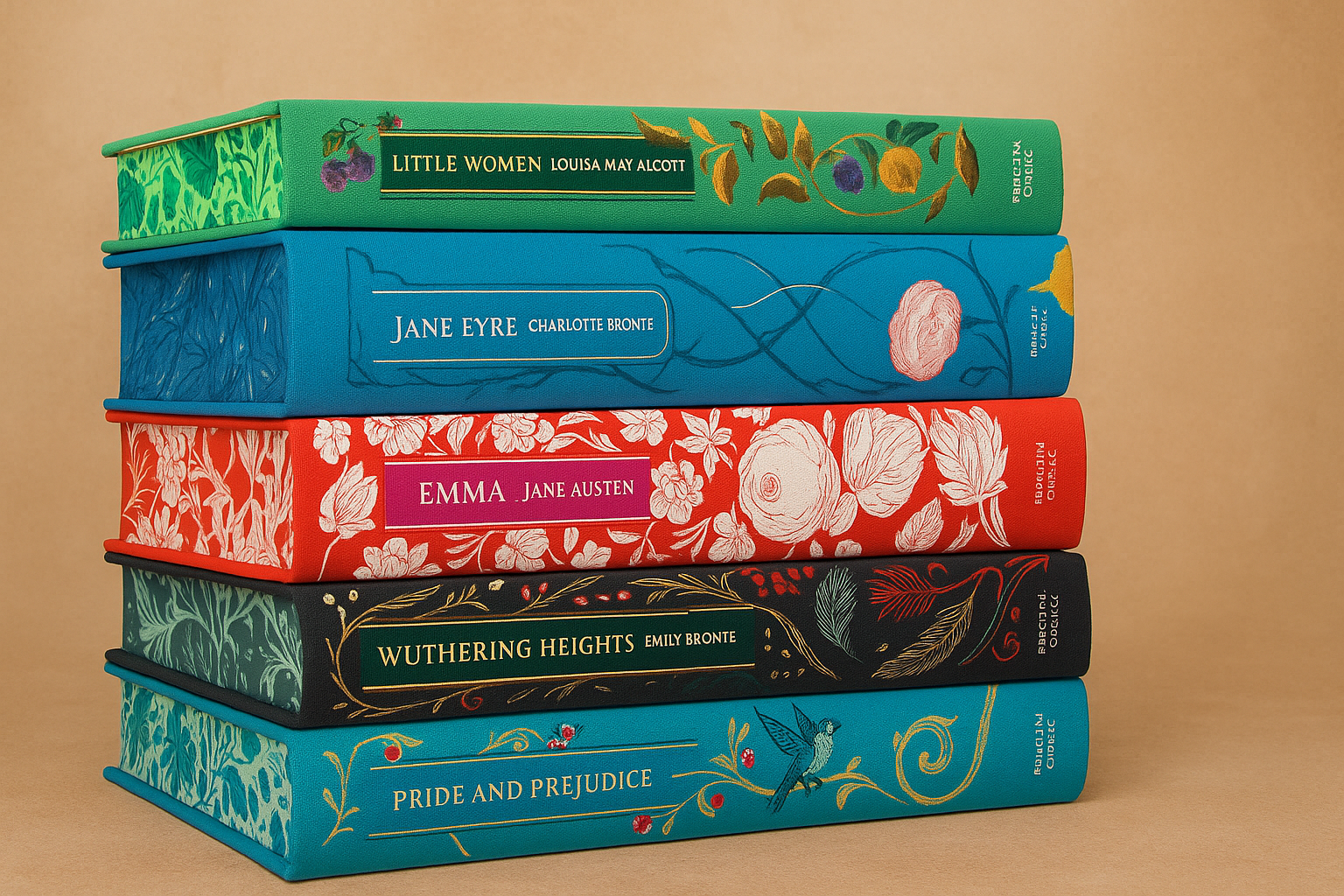
Choose editions that inspire creativity
Many authors keep beautifully designed classics near their writing spaces because they spark creative energy. A visually striking edition can become part of an author’s ritual, much like a favorite notebook or pen.
Pair classics with modern books to study evolution
When authors read a classic next to a contemporary book in the same genre, they can see exactly how storytelling structures evolve. This comparison helps clarify which elements remain timeless and which reflect shifts in culture.
Why the Classic Literature Revival Is Surging Now
Recent data shows a major increase in classic related hashtags and community discussions across BookTok, Instagram, YouTube, and even academic forums. Readers post about Wuthering Heights aesthetics, share annotated copies of Greek tragedies, and embrace Victorian imagery through mood boards and reels. Popular tags such as #VictorianVibes and #DarkAcademiaClassics have made classics more visible than ever.
This revival is part of the broader cultural embrace of atmospheric and reflective genres, which aligns with our WriteStats research on the rise of dark academia and seasonal literary trends.
It is also fueled by discovery rather than obligation. Many adults return to classics they skimmed in school and discover how powerful these works feel when read with maturity and lived experience. This second chance reading experience is something authors can use to understand what makes stories worth returning to.
What Authors Gain from the Classic Literature Revival
 The Classic Literature Revival is not about reading out of duty. It is about expanding your creative instincts. Every time an author studies a classic, they step into the long running conversation about what stories mean and how they reflect the human condition.
When you add classics to your reading life, you enrich your writing voice, strengthen your thematic focus, and gain a deeper understanding of what makes a story endure.
The Classic Literature Revival invites authors not to look backward but to move forward with more insight, more confidence, and more creative depth.
It is your reminder that sometimes the best way to write for the future is to learn from the stories that have never gone out of style.