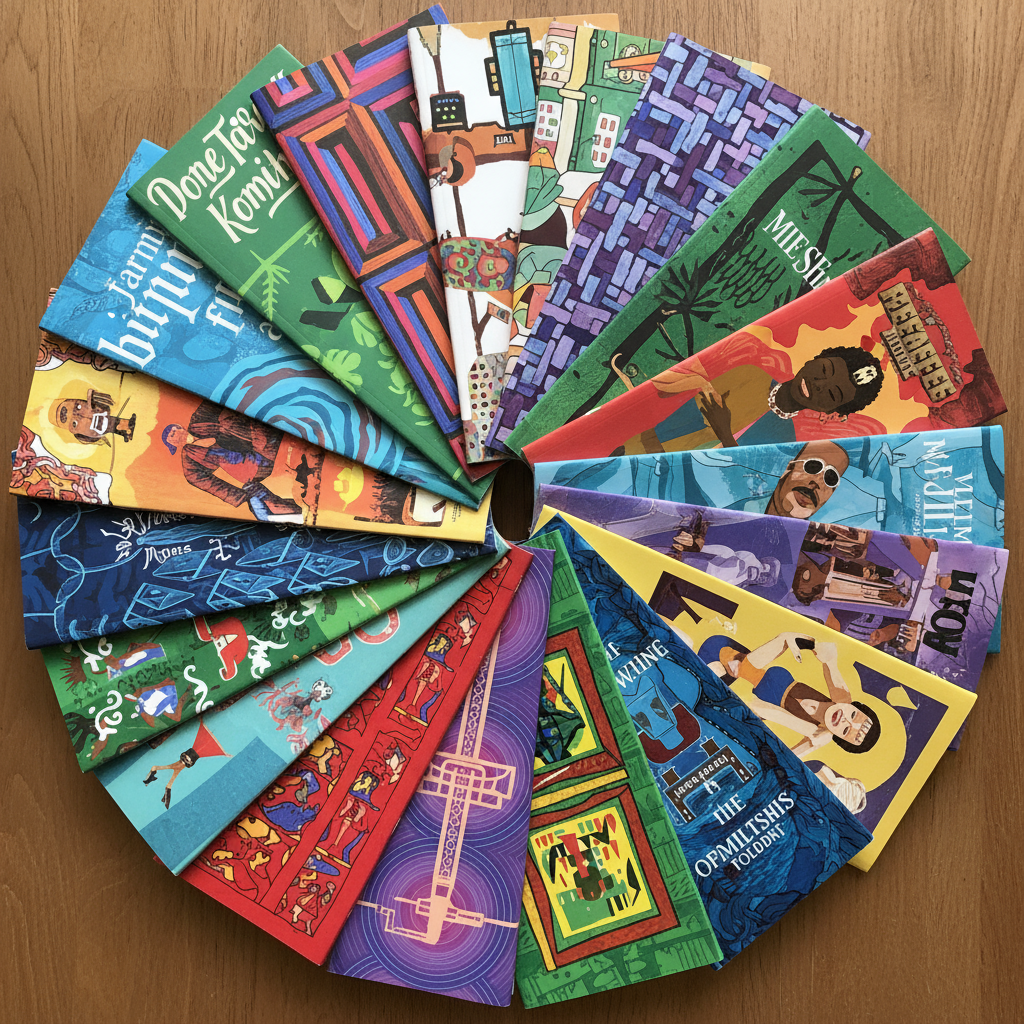
If you’ve ever wandered into a bookstore or scrolled through an online catalogue and thought, “This cover looks interesting,” you’re not alone. The question “do readers judge books by their covers?” isn’t just rhetorical; it taps into a fascinating mix of psychology, design, and reader behaviour.
In this blog, we’ll unpack why covers matter, how first impressions shape our reading choices, and what that means for authors, publishers, and book lovers alike.
Why the question “Do readers judge books by their covers?” even matters
First things first: when reading is a choice among thousands of options, the cover often becomes the handshake. In fact, one nationwide U.S. survey found that 57% of Americans admitted to buying or reading a book based solely on its cover. Even more striking, the same study found about 80% of respondents said they had avoided a book because of its cover.
So if we ask “do readers judge books by their covers?” the answer, clearly, is yes, and that raises questions: why do we do it, what cues are we using, and how can we become more aware of our own cover-bias?
The science behind the “book-cover instinct”
Snap judgments & visual processing
Our brains are wired to make quick assessments. As one article points out: the human brain processes visual stimuli far faster than text, meaning that a book cover becomes a micro-story before you even read the blurb.
Further, when our cluttered visual environment demands quick choices, we rely on shortcuts, so a book cover acts as a visual shortcut to say: “this is for me” or “this isn’t for me.”
When you ask “Do readers judge books by their covers?”, it’s helpful to remember that judgment here doesn’t mean “accurately evaluating content” but “deciding whether this book is worth the next step.”

Cover design = genre signals + expectation setting
Another key function of a book cover is to signal genre, tone and even quality. Good design cues can set expectations in the reader’s mind.
“A cover plays a crucial role in shaping a reader’s first impression, and it can heavily influence whether someone decides to explore the story or move on.”
In other words, when someone picks up a book (or clicks on it), the cover is doing part of the job of communication, subtly saying: “This is what kind of story you’re getting.”
Readers in action: statistics & insights
- In one genre-fiction survey, 79% of readers reported that covers played a “decisive role” when deciding to buy a book.
- According to a design-study blog, redesigned covers generated 51% more clicks than their original versions.
- These numbers reinforce the answer to our question: yes, many readers do judge books by their covers, and that judgment can influence whether the book gets picked up, read, or bought.
How does this manifest in reading behaviour?
Because we judge books by their covers, what does that mean for us as readers and for the ecosystem of publishing?
For readers
- Impulse vs. planned reads: When you’re browsing without a specific title in mind, the cover often grabs you before the blurb. That spontaneous “Hmm, looks intriguing” moment is driven by cover. According to one respondent in a survey:
- “A good cover will get me to pick a book up… but a bad cover has never ever kept me from buying a book that I’ve heard good things about.”
- So, covers matter more for books you’re discovering than for books you’re already committed to.
- Genre-expectation matching: If you’re drawn to historical fiction, you’ll likely gravitate toward covers that “look” like historical fiction. If the cover misleads you, say you love cosy mysteries but the cover appears grim noir, you might walk away, even if the story inside would have hooked you.
- Digital vs physical: Online, the cover thumbnail competes with many other images; in print, it competes on the shelf. Design decisions matter in both spaces. For instance, one article discusses how in the digital market, metadata plus cover design combine to shape first impressions.

For authors & publishers
- A strong cover is more than “pretty”; it’s a communication tool. One source puts it this way:
- “The cover … influences first impressions, sets expectations, and drives consumer behaviour.”
- If you’re asking yourself, “Do readers judge books by their covers?” when planning a release, the answer should influence your design strategy.
- Investing in a design redesign can yield measurable benefits; a 51% click-increase after redesign is meaningful.
- Furthermore, a poor or mismatched cover can mean your book gets skipped—even if the content is stellar. Because the cover is the “gateway” to your story.
Bridging this topic with deeper reading data
If you’ve enjoyed exploring this “cover” topic, you might also like some of our previous posts:
- In “What data do reading apps collect? A deep dive into how data tracks our literary habits”, we examined how digital platforms gather reader behaviour, including how quickly we sample titles and move on.
- And in “Why some books are addictive and others aren’t: the neuroscience explained”, we explored how readers engage with story structure and emotional payoff.
- Together with our cover-focus here, you’re getting a fuller picture of how pre-reading cues (covers) and in-reading cues (story hooks) shape the reading journey.
So… do readers judge books by their covers? And what’s our takeaway?
Yes, they do. And for good reason. A book cover is often the first point of interaction, the first impression, the visual handshake between reader and story. Because browsing presents many choices, the cover becomes part of the filter mechanism.
However, judging a book by its cover doesn’t mean the cover tells the whole story. Often what matters is whether the cover leads you to the next step: reading the blurb, flipping a few pages, diving in. A great cover invites that next step; a weak one may stop you before you start.
Key takeaways for book-lovers
- Next time you pick up a book, pause to notice what draws you in: color? typography? illustration style? Recognising your “cover triggers” helps you understand your reader self better.
- If you’re browsing and nothing catches your eye, consider a quick search using filters (theme, author, mood) rather than relying solely on covers.
- Don’t judge only by the cover, but also don’t ignore it. A cover that catches you might lead to a story you’d never have discovered otherwise.
Final thought
When we ask, “Do readers judge books by their covers?” the answer is a resounding yes. But the deeper insight is that this judgment isn’t superficial; it’s part of how we navigate a rich, crowded world of books. The cover doesn’t replace the story; it paves the path to it. And for readers, authors, and publishers alike, being aware of that path can make all the difference.
Happy reading, and may your next cover lead you to a story that surprises you in the best way!