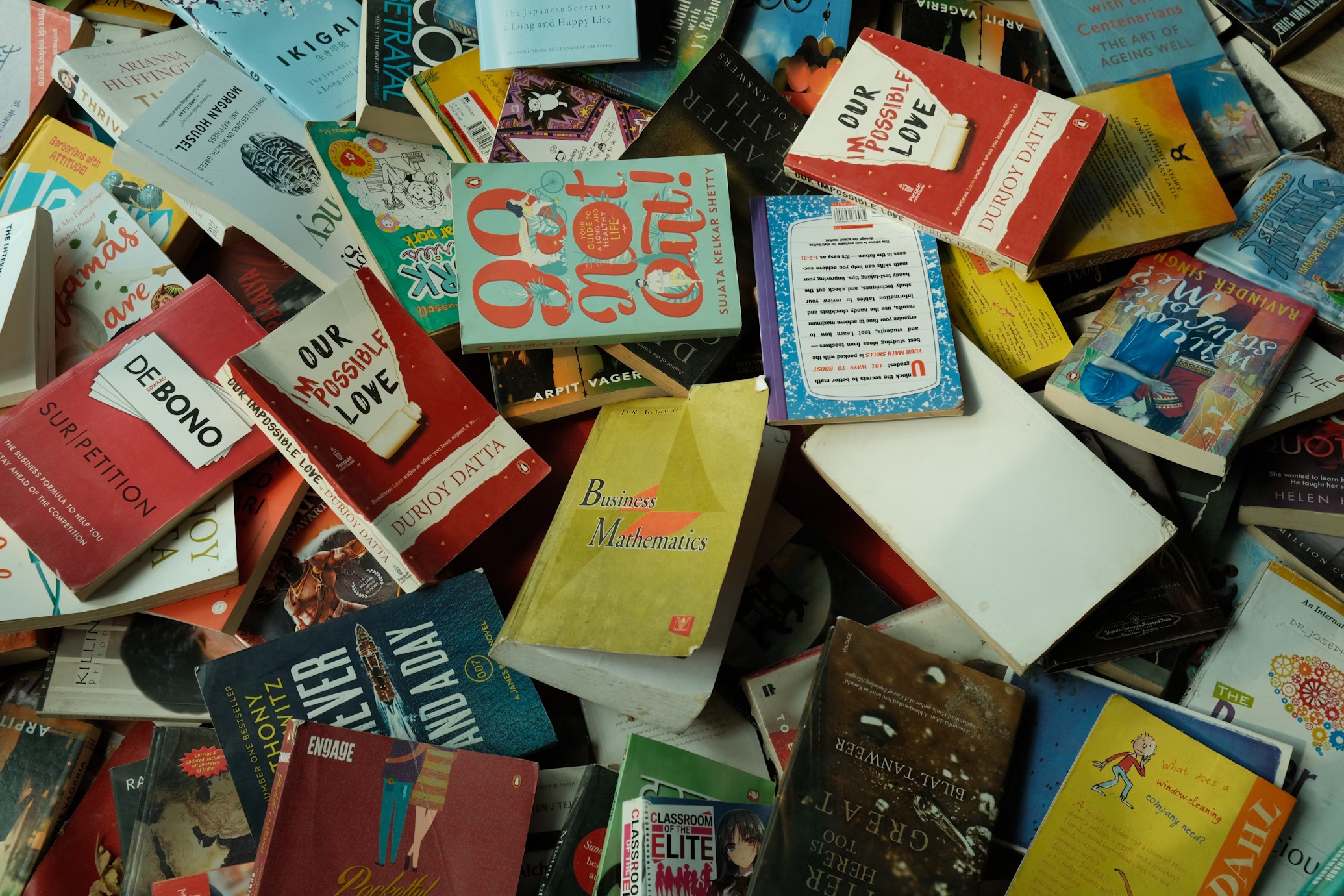
Every author dreams of writing a book readers can’t put down. But let’s be honest, many books never make it to the finish line. Somewhere between the To Be Read list and the Did Not Finish pile, something happens. That journey, from TBR to DNF, isn’t just about reader patience. It’s a data story about attention, pacing, expectation, and emotional payoff.
In this guide, we’ll explore the numbers behind book completion rates for authors, unpack why readers DNF books, and share actionable strategies to keep your readers turning pages all the way to the end.
Why “From TBR to DNF” Matters More Than You Think
When someone buys or borrows your book, you’ve cleared a huge hurdle: interest, but finishing the book? That’s where most stories stall.
A book left unfinished doesn’t just mean one lost reader. It can mean fewer reviews, less word-of-mouth buzz, and even weaker sales for future releases. In today’s attention economy, where every Netflix episode and social scroll competes for a reader’s time, understanding why readers stop reading is one of the smartest things an author can do.
And here’s the kicker: even bestselling authors aren’t immune.
What the Data Says About Book Completion Rates
The Reading Decline
According to Gallup, the average American adult now reads about 12.6 books a year, down from 15.6 in 2016. Meanwhile, the National Endowment for the Arts says that less than half of U.S. adults read even one book for pleasure last year.
But the more revealing data isn’t just how much people read, it’s how much they finish.
The Finish Line Problem
A 2022 Jane Friedman feature noted that 29% of readers admit to not finishing most of the books they start. That’s nearly one in three readers who never make it past the midpoint. And if you’ve ever checked your Goodreads feed, you’ve probably seen plenty of DNF tags popping up in the wild.
Even among big-name titles, the completion struggle is real. The cheeky Hawking Index, which estimates how far readers get into popular books, found that some bestselling non-fiction titles had completion rates as low as 2%. Two per cent! That’s a lot of unread endings.
In other words, the DNF pile isn’t a niche problem. It’s the norm.
Why Readers DNF Books: The Top Reasons
Let’s get practical. If you want to improve your book completion rates, you need to know why readers DNF books in the first place.

1. Mismatched Expectations
If your cover screams fast-paced thriller but your opening chapters meander through backstory, readers feel tricked. According to Jane Friedman, nothing kills momentum faster than broken promises. Align your marketing, blurb, and first chapter tone.
2. Weak Hooks or Slow Starts
Readers are ruthless in the opening chapters. If they don’t connect to a character or sense a clear story question quickly, they move on. Make your first few pages do the heavy lifting, tension, stakes, or curiosity.
3. Pacing Problems
The middle is where most books lose readers. As Amy L. Bernstein writes, “The greatest disservice you can render a reader is to bore them.” Keep scenes purposeful and make sure every chapter moves the story forward.
4. Overlength or Fatigue
Long books aren’t doomed by default; Game of Thrones proves that. But if your story drags, readers feel that weight. Today’s readers often read in 15-minute bursts, so shorter chapters, tighter arcs, and visible progress help immensely.
5. Mood and Timing
Sometimes the issue isn’t your writing at all. Readers DNF books because life gets in the way. But you can make returning easier with chapter recaps, clear section breaks, or even reminders in newsletters.
What From TBR to DNF Teaches Us About Reader Psychology
When a reader quits your book, it’s rarely one thing. It’s an accumulation of unmet micro-expectations: pacing that drags, characters that don’t deepen, tension that doesn’t escalate.
But here’s the good news: every DNF reason points directly to an author’s opportunity. Fixing these patterns improves not only your finish rate, but also your reviews, discoverability, and long-term reader loyalty.
If you’ve read our piece on Why Mystery Books Are Finished More Often, you know that clear stakes and satisfying payoffs are key. Mystery authors do this brilliantly. They give readers a reason to keep reading, maintaining a constant momentum and delivering a satisfying payoff.
You can do the same, no matter your genre.
How to Improve Book Completion Rates: Practical Fixes for Authors
1. Set (and Deliver) the Right Promise
Your cover, title, and blurb are contracts with the reader. Be honest about tone, pace, and genre. If your book is a slow-burn romance, say so upfront. A clear promise means satisfied readers.
2. Hook Hard and Early
In the first 10 pages, your goal is simple: make readers care. Whether it’s a compelling question, a sharp voice, or emotional tension, readers should feel pulled in fast.
3. Keep the Middle Tight
The midpoint sag is real. To fix it, give your protagonist fresh stakes or a twist every 10-15% of the story. Shorter scenes, faster transitions, and emotional reveals keep readers from drifting.
4. Structure for the Modern Reader
With more readers consuming ebooks or audiobooks, structure matters. Short chapters, cliffhangers, and section breaks help readers track progress and feel momentum.
5. Watch for Drop-Off Clues
Reviews mentioning phrases like “I got lost halfway” or “It started strong but slowed down” are gold. They show you exactly where readers disengaged. Use that intel for your next draft.
6. Build Reader Trust
Readers are more forgiving of slow sections when they trust the author to deliver. Engage them through newsletters, social posts, or behind-the-scenes updates. When they feel connected to you, they’re more likely to stick with your story.

The Data-Driven Payoff: Why Completion Rates Matter for Authors
Boosting your completion rate by even 10% can have ripple effects:
- More reviews. Readers who finish are far more likely to leave one.
- Better algorithms. Platforms like Kindle Unlimited reward engagement and completion.
- Stronger series sales. Finishing book one means readers are more likely to buy book two.
- More word-of-mouth. People recommend books they finish.
Improving your finish rate is marketing and craft combined.
From TBR to DNF: A Self-Audit for Authors

Final Thoughts: Turning DNF Into Done
Every unfinished book is feedback in disguise. The data behind From TBR to DNF reminds us that being read isn’t enough; we need to be finished.
By focusing on reader experience, clarity, and momentum, you can reduce drop-offs, improve reviews, and turn casual readers into loyal fans.
For more actionable data-driven insights, check out our post on When Writers Write Best. Because knowing when you write best is the first step toward helping readers finish what you start.
Finishing a book is an emotional contract. Respect the reader’s time, deliver on your promise, and craft a rhythm that rewards every page. The result? A story that never lands in the DNF pile.