The True Crime Literary Evolution is one of the most captivating and unexpected journeys in the history of storytelling. What started as cheap Victorian pamphlets intended to shock has evolved into a globally influential genre that combines literature, investigative journalism, technology, and social justice.. Today, true crime has evolved beyond just sensational stories of murderers and mysteries. It now serves as a means to explore our fears, evaluate our legal systems, and comprehend the changing ethics and values of our societies.
As the nights grow longer and book lovers reach for more immersive, thought-provoking reads (a seasonal trend we explored in our piece on fall reading habits), true crime stands out as a perfect companion. It combines history, mystery, human psychology, and cultural critique in a way that keeps you reading late into the night.
Victorian Scandal Sheets: The Birth of a Literary Obsession
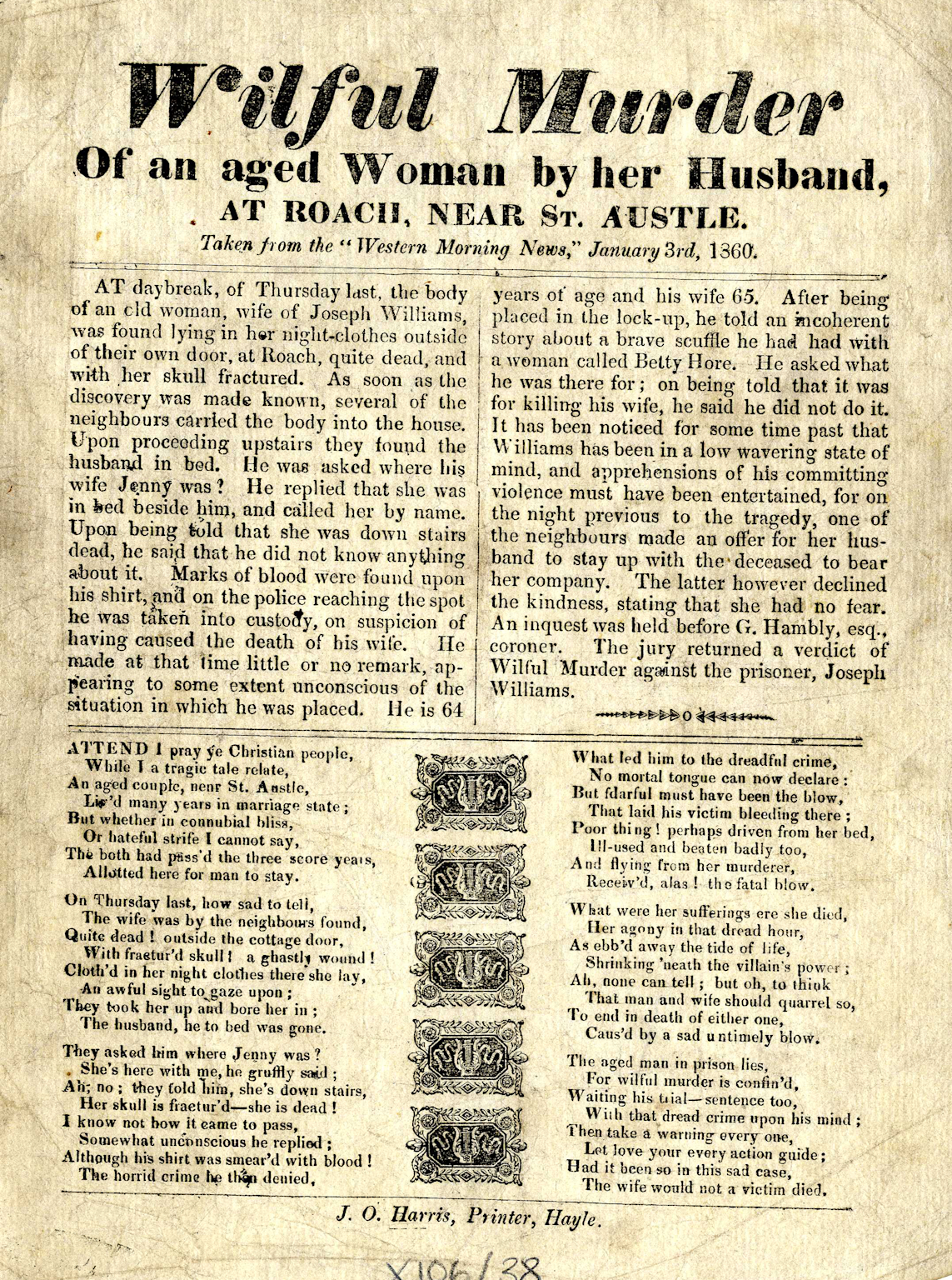
The True Crime Literary Evolution truly began in Victorian England. A time when urbanization, industrialization, and a booming press created the perfect environment for crime stories to flourish. Although pamphlets about murders and executions circulated in Europe since the 16th century, crime reporting became mass entertainment during the Victorian era.
Street vendors hawked “penny dreadfuls“ and cheaply printed pamphlets packed with graphic murder narratives, lurid confessions, and courtroom transcripts. These sensational booklets were available everywhere: in rowdy taverns, cozy coffeehouses, bustling train stations, and on nearly every street corner. For many Victorians, these stories were their version of “binge-watching” a true crime documentary.
One of the most infamous publications was The Illustrated Police News, known for its shocking woodcut illustrations and sensationalized accounts of real crimes. The Jack the Ripper murders of 1888 exemplified the era’s fixation on crime. With newspapers prioritizing dramatic headlines over facts, shaping public perception while often overlooking the victims. Victorian crime narratives blurred class boundaries, capturing the attention of both the upper and lower classes. Cases like the Tichborne Claimant and the trial of Charles Peace became media spectacles. They offered moral lessons and reflected society’s anxieties about morality, class, and order.
In many ways, they established the core themes that continue to shape true crime today: justice, morality, spectacle, and the power dynamics between society and the individual.

Literary Breakthrough: Capote and the Rise of the Nonfiction Novel
The next major leap in the True Crime Literary Evolution came nearly a century later, in 1965, with Truman Capote’s In Cold Blood. This was not just another true crime book; it was a literary revolution. Capote spent six painstaking years investigating the brutal murder of the Clutter family in Kansas. He conducted hundreds of interviews, and worked alongside fellow author Harper Lee to gain the trust of locals, investigators, and even the killers themselves.
What set “In Cold Blood” apart was Capote’s innovative use of novelistic techniques in nonfiction. He employed foreshadowing; shifting points of view, vivid imagery, and deep character development to craft a chilling yet human story. The book blurred the line between journalism and literature, creating the “nonfiction novel” — a format that inspired generations of writers and journalists.
In Cold Blood was both a critical and commercial sensation. It humanized the victims and perpetrators, raised profound questions about journalistic ethics, and demonstrated that true crime could be art. To this day, it remains a touchstone for the genre, a benchmark against which many modern works are measured.
Digital Disruption In The True Crime Literary Evolution
Fast forward to 2014, when a single podcast episode changed everything. Serial, hosted by Sarah Koenig, didn’t just entertain listeners; it ignited a global true crime renaissance. Over 300 million downloads later, Serial proved that long-form, serialized storytelling could captivate a worldwide audience.
Podcasts brought a new level of intimacy and transparency to true crime. Listeners followed not only the crimes but also the investigative journey, often in real-time. The Adnan Syed case, covered in Serial’s first season, became a cultural phenomenon that spilled beyond earbuds into living rooms, classrooms, and even courtrooms. Remarkably, these podcasts have influenced real legal outcomes, leading to reopened cases and exonerations; a testament to the genre’s growing power.
Women Leading the Narrative Shift
Another powerful force in the evolution of True Crime Literature has been the rise of female voices. Writers like Michelle McNamara, author of I’ll Be Gone in the Dark, have redefined the genre by emphasizing empathy, meticulous research, and personal narrative. McNamara’s years-long investigation into the Golden State Killer case helped bring long-awaited justice and set a new standard for ethical, victim-centred true crime storytelling.
Contemporary female authors are also challenging old tropes. They are focusing on women’s perspectives, confronting racial disparities such as the “Missing White Woman Syndrome,” and amplifying marginalized voices that were historically overlooked. This change has enriched the genre with more inclusive and nuanced narratives, changing how stories are told and whose stories are prioritized.
Victim-Centred Ethics and Empathy
Perhaps the most significant modern development in true crime is the victim-centred approach. In contrast to older narratives that glorified criminals or sensationalized violence, many authors now focus on victims and survivors, giving them agency and dignity.
Organizations like the National Center for Victims of Crime have even published ethical guidelines for true crime creators to avoid retraumatization and misinformation. Authors such as Hallie Rubenhold, in her acclaimed book The Five, reframed the Jack the Ripper story entirely. She shifted the spotlight from the killer to the lives of his five victims; women whose humanity had long been erased by sensational headlines. This approach represents a broader cultural shift towards empathy, accountability, and ethical storytelling.
Technology and Forensic Breakthroughs
Modern true crime exists at the crossroads of science, technology, and storytelling. Advances in DNA testing and forensic genealogy have solved decades-old cold cases and reshaped the narratives writers can tell.
Meanwhile, social media has emerged as both a tool and a challenge for investigations. The Gabby Petito case, for example, demonstrated how internet communities could contribute crucial information, while also showing the risks of misinformation. These developments allow authors to weave together historical context, scientific breakthroughs, and real-time events, producing complex, layered narratives that feel immediate and alive.

Expanding Horizons: A Global Perspective
Where once true crime was primarily focused on Western cases, today the genre is increasingly global. Modern authors explore transnational crimes, cultural differences in legal systems, and international cooperation in investigations. This global expansion mirrors our interconnected world and brings new voices and stories into the spotlight, from Latin American cartel histories to European cold cases and Asian legal dramas.
Innovative Literary Techniques and Platforms
Contemporary true crime writers use literary techniques like:
- Multiple timelines
- Shifting POVs
- Suspense structures
- Reflexive commentary on their investigative process
As discussed in our exploration of the Classic Literature Revival, these modern narratives blur the lines between literature and reality. They encourage critical thought about truth, justice, and society.
Moreover, the genre now spans multiple platforms. Books offer depth and research, podcasts provide intimacy and serialized storytelling, and streaming documentaries engage visually. Together, they form a multi-platform ecosystem that reaches millions and even drives real legal reform.
What’s In Store For True Crime Literary Evolution
The future of True Crime literature will likely focus on ethical storytelling, victim advocacy, and technologies like AI in forensic analysis. Writers are increasingly stepping into roles not just as narrators, but as cultural critics and social advocates.
From Victorian scandal sheets to today’s tech-savvy stories, the genre has continually evolved to mirror societal changes. And as readers, we’re not just passive observers; we’re part of an evolving conversation about truth, justice, and humanity.
Final Thoughts
For bookworms who seek exciting narratives infused with intellectual depth, true crime is a genre that captivates and inspires. Its evolution continues, promising a future as intriguing as its past.
Whether you favor investigative podcasts, literary nonfiction, or historical scandal sheets, true crime invites you to engage with a reading experience that reflects the richness and complexity of our society.